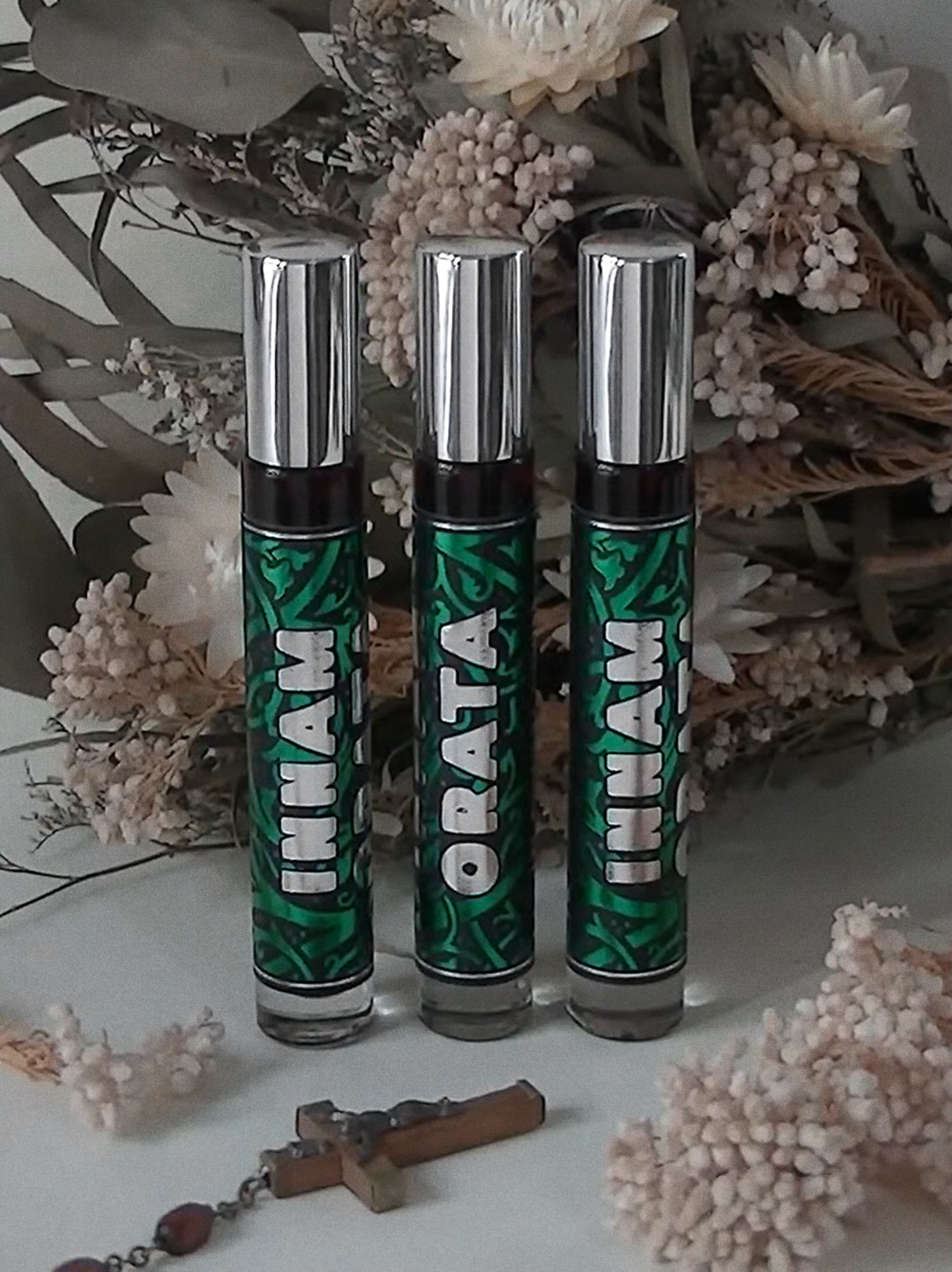

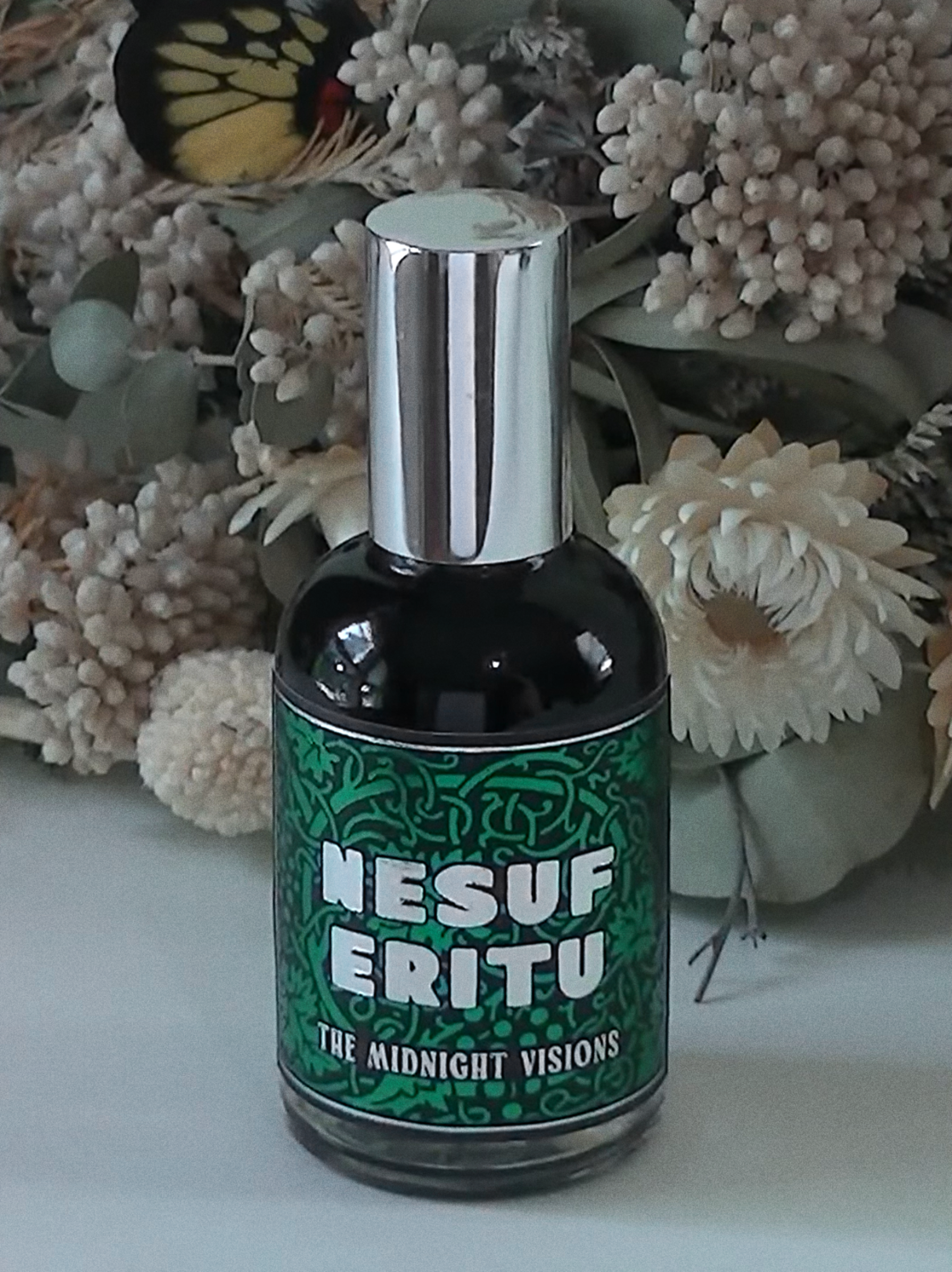
 Image 1 of 2
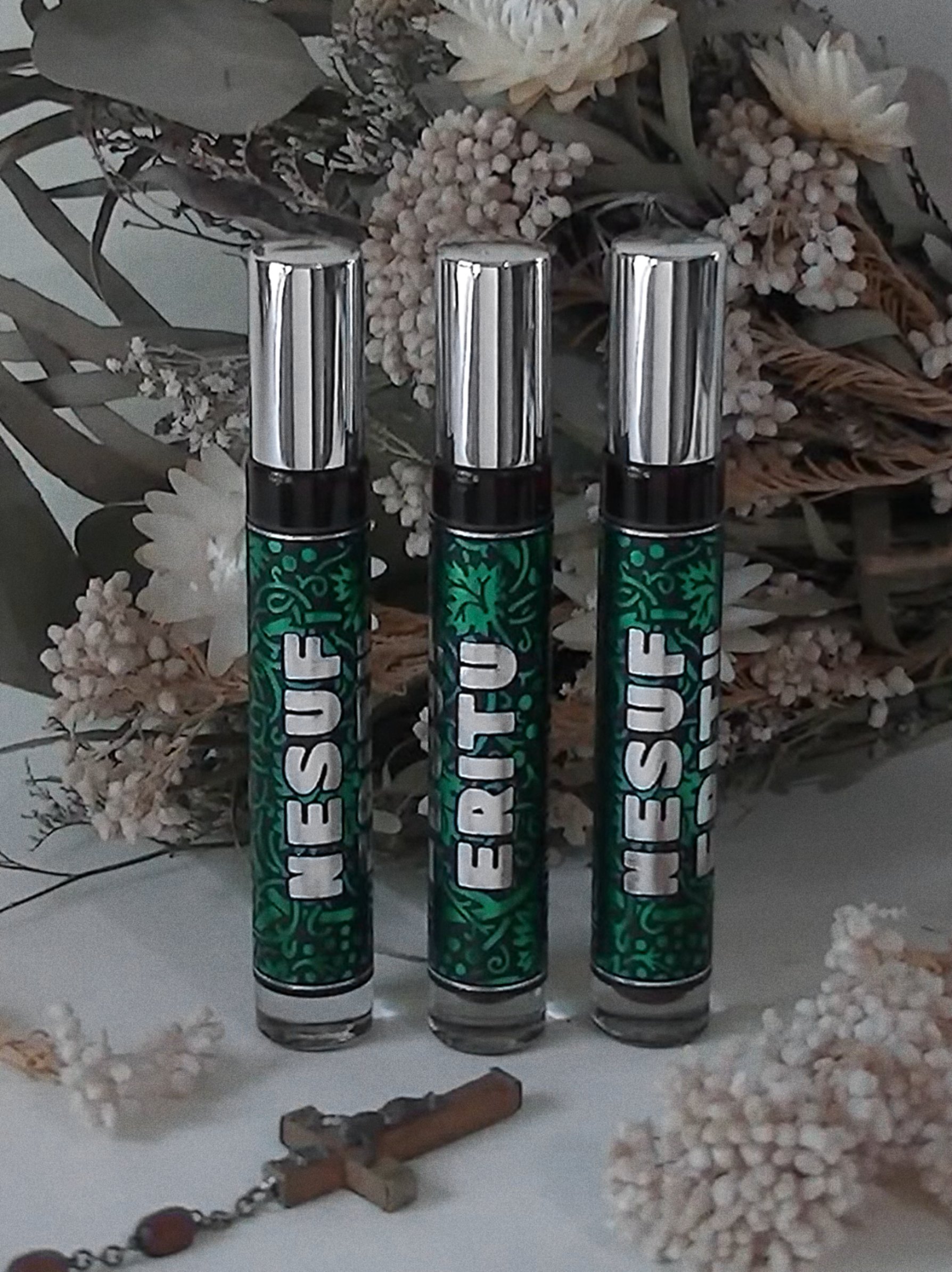 Image 2 of 2
The stones are ice cold beneath your feet as you take refuge in the abandoned chapel. The air is still thick with the hazy musk of ritual incense and labdanum. The walls are lined with dust covered wooden crucifixes. A silver chalice of communion wine is spilled across the altar near a forgotten tray of ripe plums. You hide between the splintering pews, your trembling hands loading the last silver bullet into the chamber. The atmosphere shifts, your stomach drops, you can feel something watching you from the darkness.
Top Notes: Communion Wine, Silver Bullets, & Ripe Plum
Heart Notes: Ritual Incense, Labdanum & Wooden Crucifixes
Base Notes: Warm Fur, Splintering Cedarwood & Hazy Musk
The earliest recorded use of the term “Nosferatu” can be traced back to an 1865 article about Transylvanian Customs by Wilhelm Schmidt. It was later published in an 1885 book on Transylvanian Superstitions by Emily Gerard before famously appearing in the 1897 gothic classic Dracula by Bram Stoker. After the release of the 1922 silent German Expressionist film of the same name, Nosferatu was permanently cemented into the pop culture zeitgeist.
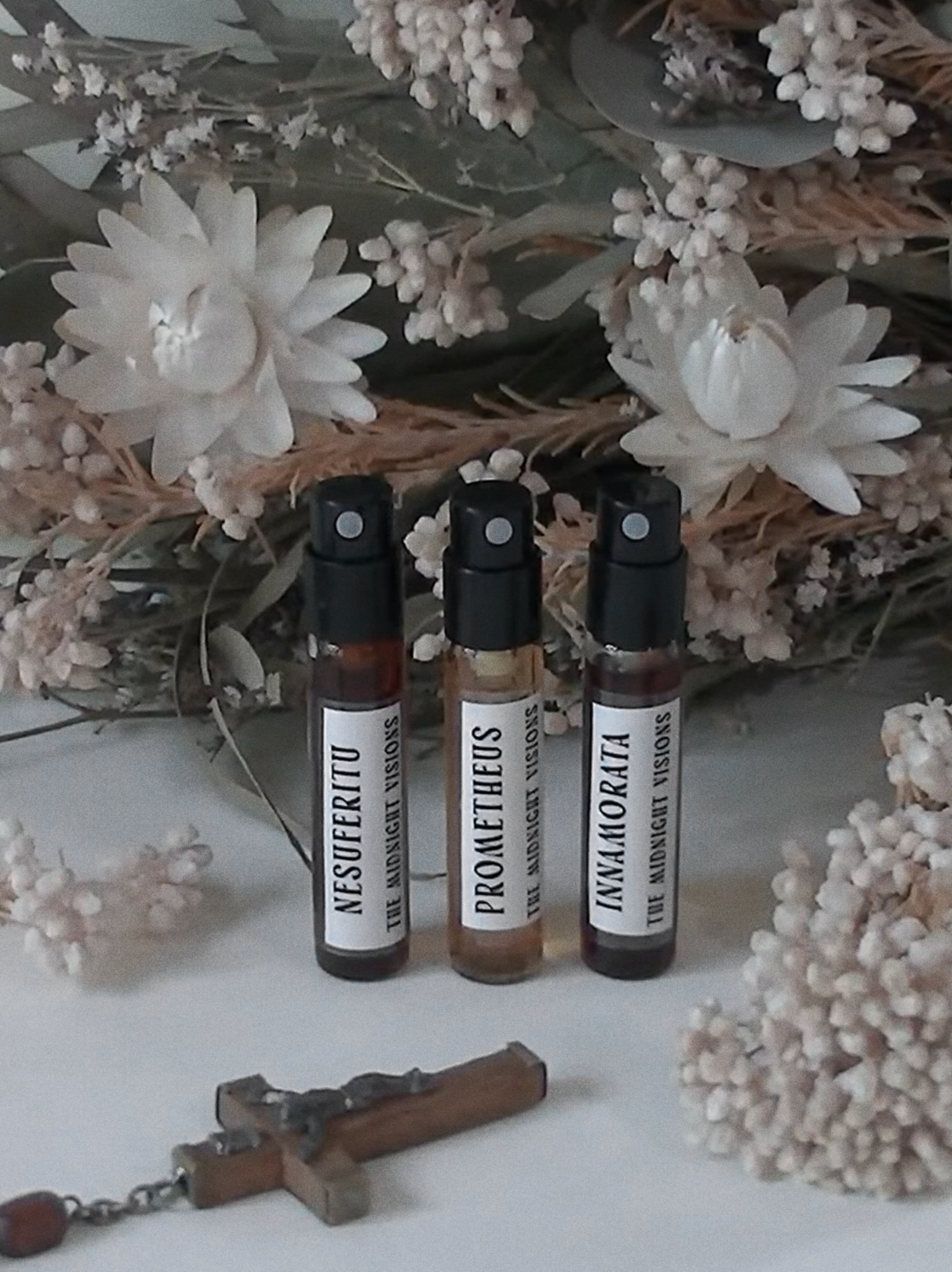
Though Stoker, Gerard and the film suggest the word Nosferatu translates to “undead” or “vampire” - it is widely considered to be a literary invention or mistranslation. The term is likely derived from the Romanian word Nesuferitu meaning "the insufferable one” or “the offensive one". Though some argue it’s connections to the Greek term Nosophoros meaning "the unclean one” or “disease bringer".
Nesuferitu is made with a mixture of Natural and Synthetic ingredients in compliance with IFRA standards and guidelines.
Highlighted Naturals: Olibanium Resinoid, Labdanum Resinoid, Virginia Cedarwood Oil
Highlighted Synthetics: Galaxolide, Habanolide
All Perfumes are meticulously formulated, bottled, labeled and packed by hand. Please allow 1-2 weeks for production and fulfillment.